How Cracks in Walls Signal the Need for Basement Waterproofing

A crack in a wall is easy to dismiss when it is thin, dry, and tucked behind storage shelves. Homeowners do it every day. They patch it, paint over it, and move on. Sometimes that is fine. Plenty of houses develop harmless cosmetic cracks as materials shrink and settle. The problem is that basement walls do not crack in a vacuum. They crack under pressure, around moisture, and in response to movement. When those forces are active below grade, the wall is often telling you more than you think.
In practical terms, a basement crack can be the first visible sign that water is pushing against the foundation, finding entry points, or already affecting the structure from the outside in. That is why cracks and Basement Waterproofing are so closely linked. Waterproofing is not just about stopping puddles on the floor. It is about managing the conditions that cause foundation walls to weaken, shift, and open up in the first place.
Over the years, one pattern shows up again and again. The homeowner notices a hairline crack. Then after a heavy rain, the crack darkens. A few months later, there is a faint white chalky residue nearby. Then the basement smells musty. In winter, the crack widens slightly. By the time someone calls for help, the issue is no longer cosmetic. It is a moisture management problem with structural implications.
What a wall crack is really telling you
Concrete, masonry block, and poured foundation walls are durable, but they are not immune to hydrostatic pressure. That pressure builds when groundwater saturates the soil around the foundation. Wet soil becomes heavier, and in many cases it expands. The result is lateral force pressing against the basement wall. If drainage around the house is poor, that force can remain for long periods, especially during wet seasons or freeze-thaw cycles.
Walls respond in predictable ways. A narrow vertical crack may form from minor settlement. A horizontal crack, especially in block walls or long poured concrete runs, often raises more concern because it can signal soil pressure pushing inward. Stair-step cracks along mortar joints in masonry can point to movement that is more than surface deep. None of these automatically means the home is in danger, but each deserves interpretation in context.
The important distinction is this: the crack itself is often not the disease. It is the symptom. If water is involved, sealing only the visible opening without addressing exterior drainage, foundation pressure, or internal moisture paths usually leads to repeat problems.
Not all cracks mean the same thing
One of the most common mistakes is treating every crack like a leak, or every leak like a structural failure. Real assessment takes judgment. Width matters, direction matters, location matters, and changes over time matter even more.
A thin vertical shrinkage crack in a newer poured wall may never cause trouble. Concrete shrinks as it cures, and some hairline cracking is normal. On the other hand, a crack that is wide enough to catch a fingernail, shows dampness after rain, or has grown since last season deserves attention. The same goes for any crack with displacement, where one side of the wall sits slightly forward of the other.
In basements with block walls, a horizontal crack around the middle third of the wall often gets my attention first. That is where lateral soil pressure tends to show itself. In poured concrete walls, diagonal cracks from corners of windows or from the top of the wall down toward the footing can reveal uneven settlement or stress concentration. When those cracks also show moisture staining, the case for Basement Waterproofing becomes stronger because water is clearly participating in the damage pattern.
Why water chooses cracks so easily
Water does not need much space. It moves through concrete pores, along cold joints, around pipe penetrations, through mortar weaknesses, and of course through visible cracks. Once there is an opening, even a narrow one, repeated wetting tends to enlarge the path over time.
This is why homeowners are often puzzled by intermittent leaks. The basement stays dry for weeks, then suddenly a damp streak appears after a storm. That does not mean the crack is inactive the rest of the time. It usually means the conditions outside the wall reached a threshold. The soil became saturated enough, runoff concentrated in the wrong place, or melting snow sent water directly toward the foundation.
I have seen basements where the only clue was a vertical stain six inches long near a corner. The owner assumed it was old discoloration. But outside, a downspout discharged beside the foundation, the grade sloped inward, and mulch had built up against the siding over the years. During heavy rain, water loaded that corner of the foundation like a reservoir. The crack was simply the release point.
The moisture clues that often accompany cracking
Cracks rarely appear alone when basement water problems are active. The surrounding area usually tells a larger story if you know what to look for. Paint may bubble or peel. Finished walls may feel cool and slightly damp near the base. Efflorescence, that powdery white residue left behind when water evaporates, often forms along cracks or floor-wall joints. A persistent earthy smell is another strong hint.
Condensation can muddy the picture, especially in summer. Basements naturally run cooler than upper floors, so humid air can condense on surfaces and make walls feel damp. But true seepage usually leaves more specific evidence. It follows a path. It stains consistently after storms. It may carry mineral traces. If the wall has a crack and that crack darkens or weeps during wet weather, that points away from simple humidity and toward a foundation water entry issue.
Homeowners with finished basements face a bigger challenge because the warning signs get hidden. Drywall, paneling, and flooring can mask an active problem for months or years. Sometimes the first clue is not a wet wall at all, but warped baseboards, a musty closet, or mold inside a lower wall cavity.
Why waiting can get expensive
The cost of dealing with a crack early is often modest compared with the cost of ignoring the forces behind it. Water entering through foundation cracks can damage stored belongings, ruin finishes, support mold growth, and over time weaken framing or corrode metal components nearby. If the crack reflects ongoing wall movement, delay also increases the chance that stabilization work will be needed later.
There is also a less obvious cost: hidden moisture changes how a basement behaves. It raises indoor humidity. It makes the lower level harder to heat and cool efficiently. It can make a house smell older than it is. Buyers notice that. Inspectors notice it too. A basement that shows signs of seepage or wall movement often complicates resale, even when the current leak seems minor.
The cheapest repair is not always the best value. A tube of masonry sealant over a damp crack might buy a few weeks or a few months, but it does nothing to reduce hydrostatic pressure. If the outside conditions remain the same, water simply finds another path.
Cases where a crack points strongly toward Basement Waterproofing
Some patterns are clear enough that waterproofing moves from a possibility to a priority. If you see any of the following, the odds are high that the issue is not purely cosmetic:
- Cracks that become damp, dark, or actively leak after rain or snowmelt
- White mineral deposits, peeling paint, or staining concentrated along a crack
- Multiple cracks on the same wall, especially with bowing or inward pressure
- Musty odor, mold growth, or persistent humidity in the same basement area
- Water entry at both the crack and the floor-wall joint nearby
That list is not a substitute for an inspection, but it captures the most common field signals. When two or three of those appear together, the basement is usually dealing with more than normal aging.
Basement Waterproofing is broader than many homeowners realize
People often hear the phrase Basement Waterproofing and picture a single product. In practice, it is a strategy. The right solution depends on why the crack formed, how water is moving around the home, and whether the wall itself needs reinforcement.
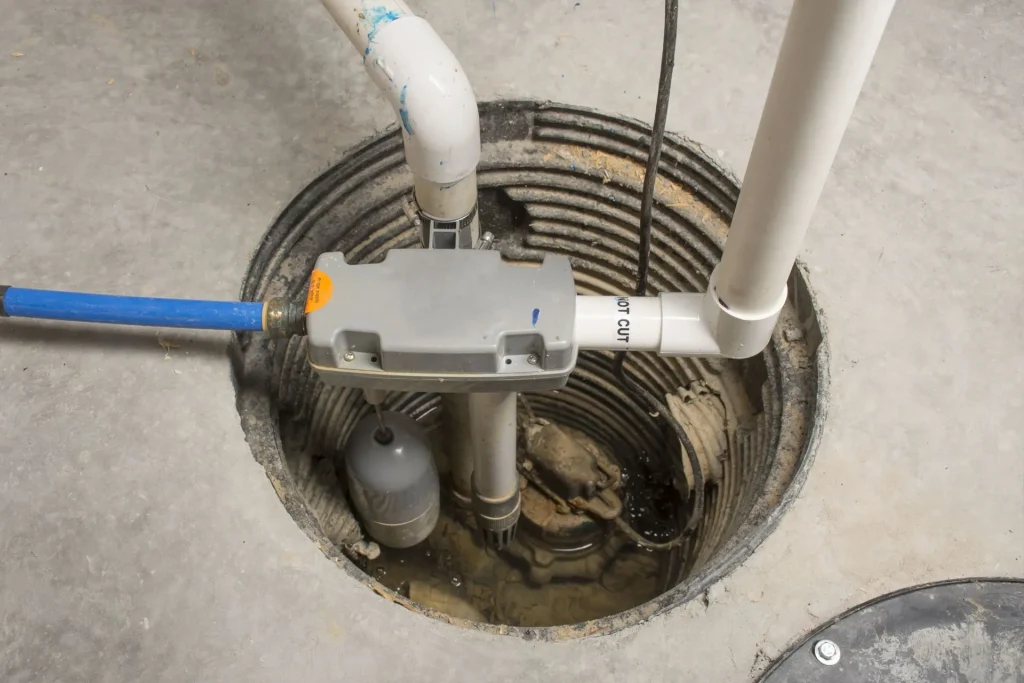
At the exterior, waterproofing may involve correcting grading, extending downspouts, cleaning or replacing footing drains, excavating to apply a waterproof membrane, or installing drainage board to relieve pressure against the wall. Interior systems can include crack injection, perimeter drainage channels, sump pumps, vapor management, and dehumidification. Structural stabilization may involve carbon fiber straps, wall anchors, or other reinforcement if the crack is linked to bowing or lateral movement.
This is where experience matters. A dry crack in a stable wall does not always need an expensive full-system approach. But a leaking crack in a wall under pressure almost never benefits from a surface patch alone.
Interior repairs versus exterior corrections
Homeowners naturally ask whether the job can be done from inside. Sometimes yes, sometimes no, and often partly.
An interior crack injection can be very effective for a poured concrete wall with a clean vertical or diagonal crack that leaks but is otherwise stable. Polyurethane or epoxy systems, when installed properly, can seal the crack through its depth. That stops water at the entry path. It does not, however, reduce the water pressure outside the wall. If exterior drainage is poor, the wall remains under stress even if the immediate leak is resolved.
Exterior waterproofing addresses the cause more directly. Excavation allows contractors to expose the foundation wall, repair defects, apply a membrane, and improve drainage. It is more disruptive and more expensive, but in some cases it is the only durable answer, especially when water is entering through multiple wall defects or when block walls show broad moisture intrusion.
Interior drainage systems sit somewhere in the middle. They do not stop water from reaching the exterior face of the wall, but they collect and redirect it before it enters the living space. In homes where full excavation is impractical, this can be a sensible, reliable approach. It is especially useful when water is entering at the cove joint, where the floor meets the wall, or when groundwater rises beneath the slab.
When a structural opinion matters more than a waterproofing quote
There are situations where moisture control is only part of the picture. If a crack is wider at one end than the other, if the wall is bowing inward, if doors above the basement have started sticking, or if the floor slab shows unusual heaving, the house may need structural evaluation along with waterproofing planning.
That does not mean a catastrophic failure is around the corner. It means the repair scope should match the actual forces at work. I have seen homeowners spend money sealing cracks only to learn later that the wall needed reinforcement first. Once the wall movement continued, the new seals reopened and the original leak returned.
A good contractor will say this plainly. Waterproofing and structural stabilization overlap, but they are not https://edwinkgxw103.northvaledigest.com/posts/costly-basement-leaks-how-waterproofing-prevents-repeat-damage identical. The best outcome often comes from coordinating both.
A practical way to judge urgency
If you are looking at a basement crack and trying to decide whether it can wait, focus less on appearance and more on behavior. Ask yourself a few direct questions.
Has the crack changed since you first noticed it? Does it feel damp or show staining after bad weather? Is there evidence of water elsewhere on the same wall? Do you smell moisture even when you do not see it? Is the wall straight when viewed along its length, or is there any inward bulge? The answers will usually tell you whether you are dealing with a paint-and-monitor issue or a waterproofing problem that needs action.
For homeowners who want a simple next step, this short checklist helps:
- Mark the crack ends lightly with pencil and write the date nearby
- Photograph it now and again after the next heavy rain
- Check outside for downspouts, clogged gutters, and negative grading
- Look for efflorescence or dampness at the floor-wall joint
- Schedule a professional inspection if the crack leaks, grows, or appears with wall movement
That process costs almost nothing and gives useful baseline information. It also helps separate panic from evidence.
Real-world examples tell the story better than theory
In one older brick home, the basement had a stair-step crack in a block foundation wall behind shelving. The owner had lived with it for years without trouble. Then a landscaping project changed the grade along that side of the house. The soil bed was raised, runoff from a patio started draining toward the wall, and within one wet season the crack began showing efflorescence and intermittent seepage. The wall had not suddenly become defective. The water conditions around it had changed. The eventual fix combined grading correction, downspout extension, and an interior drainage solution because excavation was limited by a neighboring driveway.
In another home, a single vertical poured-wall crack leaked during spring thaw. The wall was otherwise plumb and stable, and exterior drainage was decent. That job was a good candidate for interior injection. The repair held because the crack was the true weak point, not part of a larger drainage failure.
Then there are the more serious cases. A long horizontal crack in a mid-height block wall, accompanied by slight inward bowing and chronic dampness, usually points to sustained soil pressure. In that situation, treating the wall as a simple leak is a mistake. The wall often needs reinforcement, and the water load around it has to be managed aggressively. That may mean excavation, drainage improvement, and structural measures together.
Seasonal patterns that homeowners overlook
Basement wall cracks often behave differently across the year. Spring tends to expose groundwater problems because snowmelt and rain saturate the soil. Summer can hide seepage while making humidity-related dampness worse. Fall is when clogged gutters and leaf buildup quietly set up winter trouble. Winter introduces freeze-thaw stress, which can enlarge existing cracks as trapped moisture expands.
This seasonal rhythm explains why some basements seem fine at the time of purchase or inspection, only to show issues months later. A dry August basement does not tell you much about March. That is why neighbors, sellers, and contractors who know the property history are often useful sources of context. If a crack has leaked three springs in a row, you are not dealing with an isolated event.
Choosing the right repair path
The right response depends on diagnosis, not fear. These are the common repair paths and when they tend to make sense:
| Repair approach | Best fit | Limitation | | --- | --- | --- | | Crack injection | Isolated poured-wall crack with limited movement | Does not reduce outside pressure | | Exterior waterproof membrane | Repeated wall seepage, accessible excavation area | Higher cost and site disruption | | Interior drainage and sump system | Groundwater entry at cove joint or widespread seepage | Manages water rather than blocking all exterior contact | | Structural reinforcement | Bowing walls or pressure-related cracking | Usually needs moisture control as well |
That is the trade-off homeowners need to hear clearly. There is no universal best system, only the best match for the wall, the water, and the property conditions.
The value of acting while the problem is still small
A basement wall crack does not always mean major foundation work is ahead. Many are manageable when caught early. What matters is resisting the urge to reduce the issue to cosmetics. If water is involved, the crack is already doing its job as a warning signal. Ignoring that signal is what turns a repairable condition into a chronic house problem.
The most sensible approach is usually straightforward. Document what you see. Pay attention after storms. Look at the outside drainage before focusing only on the wall itself. And when the evidence points to moisture, bring in someone who understands both foundations and Basement Waterproofing, not just someone ready to spread patch material and move on.
A dry, stable basement is rarely the result of luck. It comes from managing water before water starts managing the house. Cracks in walls are often the first sign that this balance has slipped, and when they are, they deserve to be read carefully.
ARD Waterproofing
98 Smull Ave, West Caldwell, NJ 07006, United States
+1 917-691-8411
FAQ About Basement Waterproofing
Can you 100% Waterproof a Basement in West Caldwell?
A properly designed system can substantially reduce basement water intrusion, but no method can promise protection against every flood, equipment failure, or future change in site conditions. The first step is identifying whether moisture comes from surface runoff, groundwater, plumbing, or condensation. Solutions may include grading and gutter improvements, drainage, foundation repairs, and a sump system. Review the specific coverage and exclusions of any written warranty.
How much does it cost to professionally waterproof a basement in NJ?
There is no single price that fits every basement. Cost depends on the cause of the leak, the area needing work, access, excavation requirements, drainage design, sump equipment, and restoration of disturbed finishes or landscaping. Request an on-site assessment and an itemized written estimate that explains the scope, exclusions, and maintenance requirements before comparing proposals.
How long does foundation waterproofing last in West Caldwell, NJ?
Service life varies with the waterproofing materials, installation quality, soil and water conditions, and maintenance. Drainage components and pumps may require servicing or replacement even when other parts of the system remain functional. Keep gutters, drainage outlets, and sump equipment maintained, and have recurring leaks or changes in foundation condition assessed. Ask for product-specific expectations and written warranty terms rather than relying on one lifespan for the entire system.